Template Website or Custom Website for a Growing Service Business
A growing service business reaches a point where a basic online presence stops keeping up. Calls come in at odd hours, customers compare several providers before asking for a price, and a slow or confusing page can cost a booking before anyone speaks to the office. The choice often comes down to a template website or a custom build. Both can support website conversion help when they are planned around real customer behavior, but they solve different problems.
A template website is a prebuilt layout with placeholders for your content, photos, service areas, and contact details. A custom website is planned around the way a particular business sells its work, handles inquiries, and proves trust. The right option depends less on appearance and more on how many paths a visitor can take before becoming a lead.
What a template website does well
Templates are useful when a service business needs a clean, readable site without a long planning process. Many include the core pages a local company needs: a home page, an about page, a contact page, and room for individual services. If the goal is to replace an outdated page or establish a credible first impression, a well-chosen template can be enough.
The main advantage is structure. A good template already has spacing, headings, image blocks, and navigation patterns that visitors understand. That reduces the risk of building something that looks busy or feels hard to use. For a small operation with a short list of services and a simple quote request process, the built-in layout may match the sales path closely.
Templates also make content updates more approachable. Staff can swap photos, add a service description, or revise business hours without needing a full redesign. That matters for contractors and local businesses whose work changes with season, demand, or service area. A simple page that is kept current often beats an ambitious site that sits untouched for months.
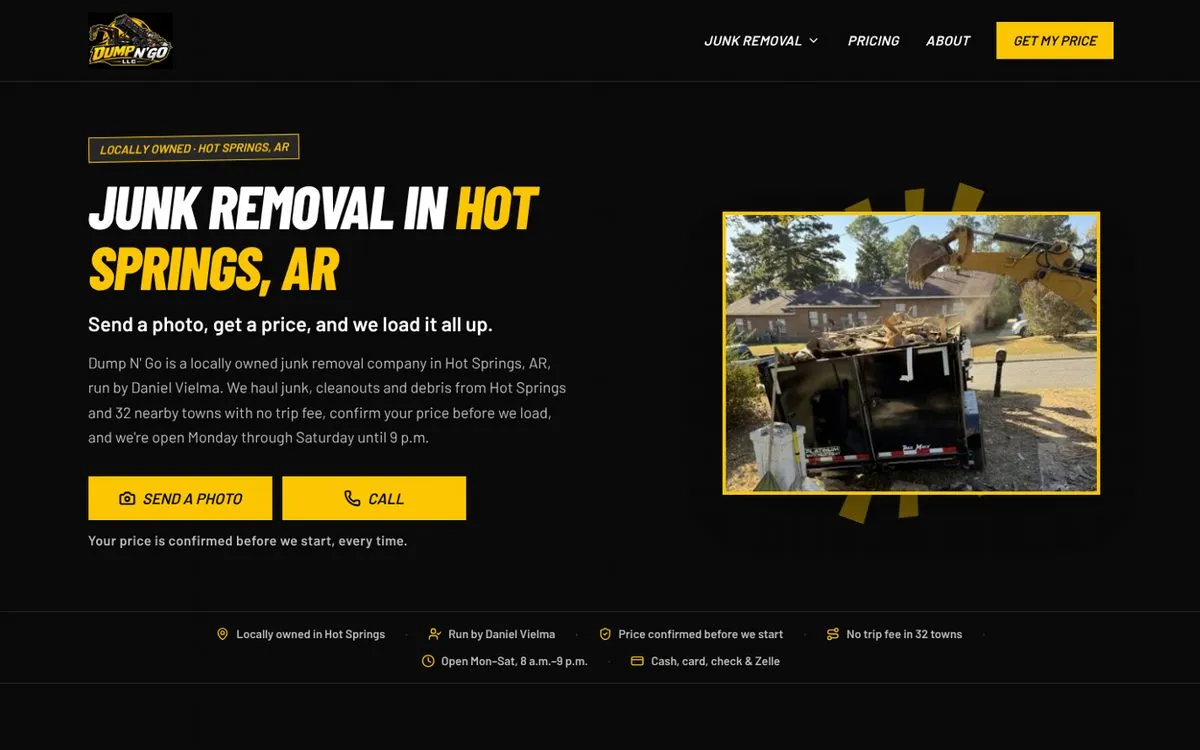
The trade-off is that templates are built for many businesses, not one. They may encourage the same page order for every visitor, even when customers arrive with different needs. A homeowner looking for urgent repair help may want click to call near the top, while someone planning a larger project may want proof, project details, and a quote request form. If every page funnels people into the same narrow action, useful inquiries can be lost.
Where custom website design earns its place
Contractor website design becomes more valuable when the site has to carry a larger share of the sales process. That can happen when there are many services, distinct customer types, multiple locations, or a need to screen leads before they reach a phone. A custom approach can map pages around those differences instead of forcing every visitor through the same route.
For example, a service business may need separate paths for maintenance, repair, replacement, and commercial work. Each path might need different trust signals, different questions on a form, and a different call to action. A custom build can also support quote request forms that collect the details needed to respond with a useful answer, rather than a generic message that creates extra follow-up work.
Custom does not mean elaborate. The best results often come from removing friction. That can mean shorter forms, clearer service page titles, stronger proof near the contact area, or a phone button that stays easy to find on a small screen. When a site is designed around the decision a customer is trying to make, each section has a job.
This is where website conversion help becomes practical. Conversion is not a single button color or a pop-up. It is the combined effect of page speed, mobile usability, clear wording, visible trust, and a next step that feels easy. A custom site can be shaped around those details from the start, while a template may need careful adjustment to get the same result.
Comparing the two by business stage
A newer business with a narrow service list may only need a site that explains what it does, where it works, and how to get in touch. In that case, a template can be a sensible starting point. It keeps the message focused and makes it easier to publish basic service pages without overbuilding.
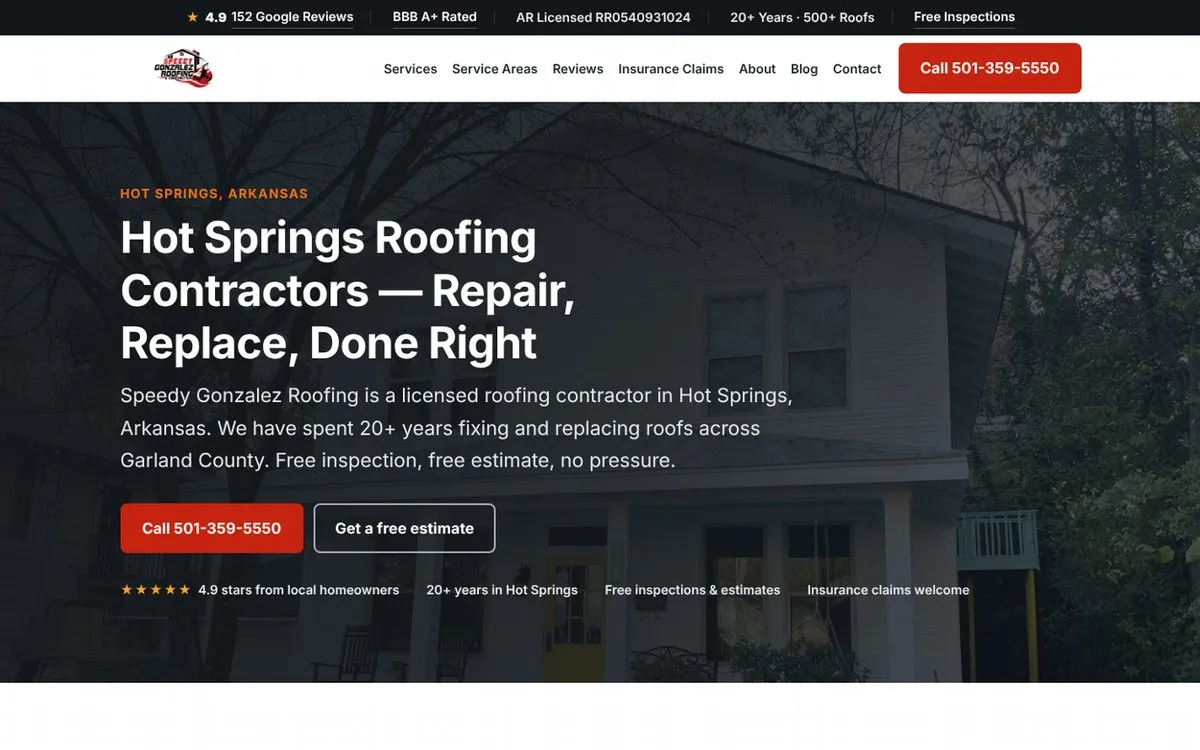
A business with steady growth has different pressures. More visitors may arrive from Google and AI search results, including people who are close to booking and people who are still comparing options. The site needs to answer both groups. That usually means stronger service pages, local relevance, credible proof, and clear routes to call, message, or request a quote.
An established service business may also need its website to work with lead follow-up. If inquiries arrive with missing details, the site is creating work for the office instead of supporting it. A more tailored build can connect form fields to the questions the team actually needs answered. It can also make the contact form shorter by asking only what matters at that stage.
Contractor website design deserves special attention when projects vary in scope. A visitor planning a small repair and a visitor requesting a major installation rarely need the same information. Custom page structure can separate those paths, reduce confusion, and make each call to action feel relevant. The result is not just a better looking site. It is a clearer handoff from marketing to scheduling.
Questions that make the choice clearer
Before choosing a direction, look at how inquiries happen now. If most customers call after seeing a simple page with a phone number, a template may serve the purpose. If people ask the same questions before booking, those questions should shape the site content and form fields. If the site needs to filter poor-fit leads, a custom approach may be worth considering.
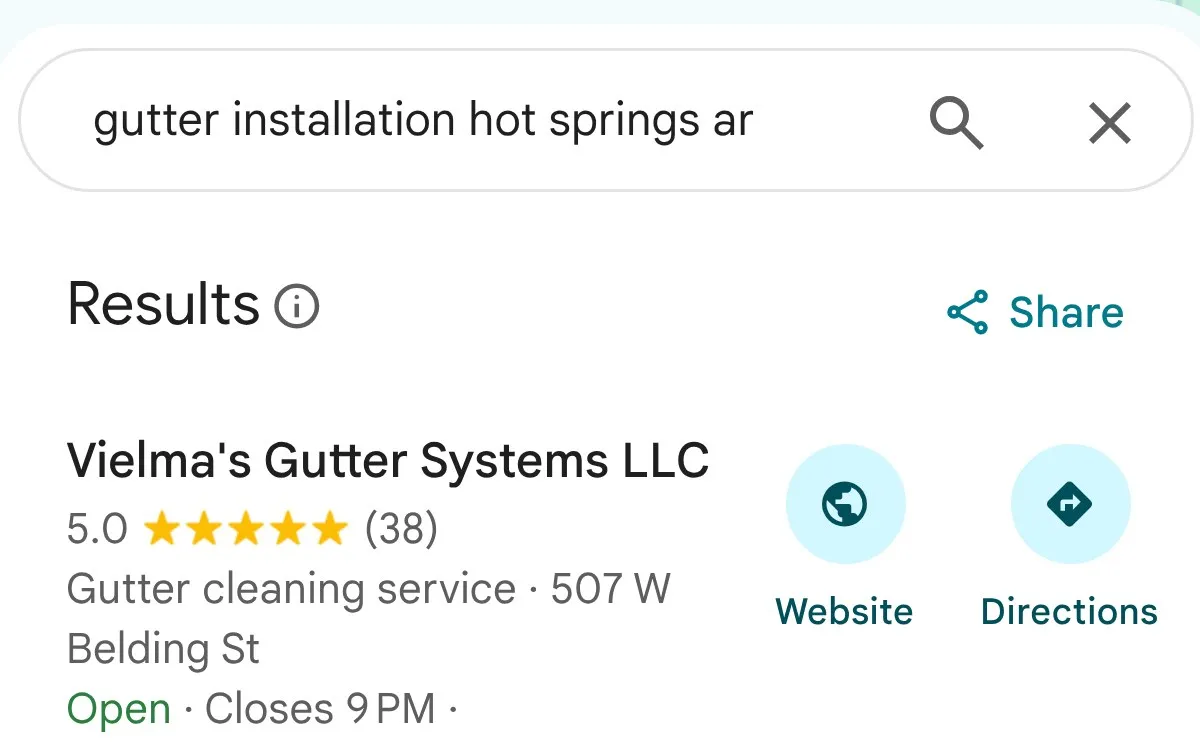
Another useful check is how the site behaves on a phone. Local service searches often happen away from a desk. A visitor may be dealing with a problem at home and needs a quick answer. Mobile usability, readable text, and click to call can matter more than a large homepage graphic. Page speed also affects whether someone waits to see the next section.
Content quality should guide the decision as much as layout. A custom site with thin service descriptions will not convert well. A template filled with specific information, clear proof, and a direct quote request can outperform a more expensive build that says little. The design should support the message, not cover for it.
Making the final decision
Choose a template when the offer is simple, the budget favors speed, and the existing site mainly needs a cleaner structure. Choose a custom build when services, customer types, lead screening, or booking paths are too specific for a standard layout. In both cases, the goal is the same: help the right visitor understand the offer and take the next step without hesitation.
A practical middle path is also possible. Start with a template that has strong mobile behavior and flexible page sections, then shape the content around the services that matter most. Add trust signals where decisions are made, keep forms short, and make the contact route obvious. If the business outgrows that structure, the content and customer questions learned along the way will make a custom build more focused.
The better website is the one that matches how customers actually inquire. For a growing service business, that means treating design as part of the booking process, not just a visual upgrade. When pages are easy to scan, fast to open, and clear about what happens next, both templates and custom builds can support stronger local visibility and better lead quality.